Apartment Building Rodent Control
Dearborn • Ford Field Park
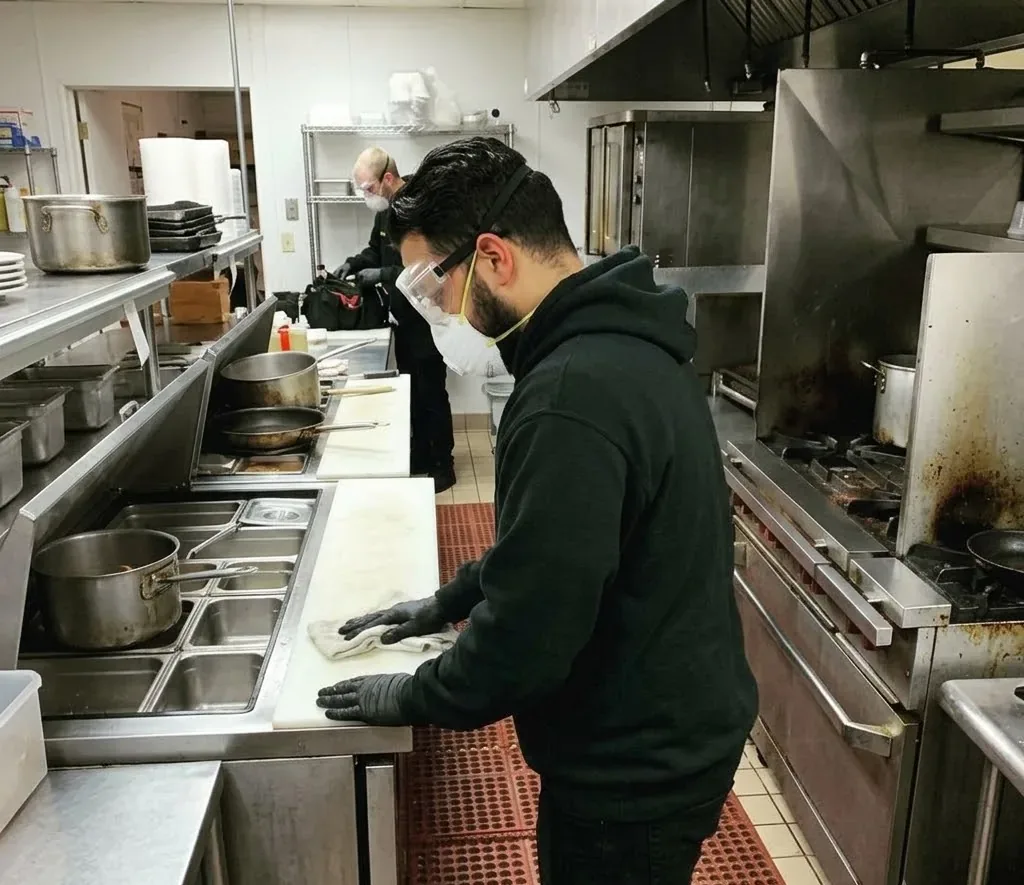
Coordinate restaurant rodent control with operating windows, food handling, and clear records for each site.
A restaurant can reduce repeat rodent activity by protecting food, correcting sanitation and access issues, and keeping dated site records. Arrange an inspection of relevant work areas, then use follow-up checks to compare new signs with earlier findings and identify repairs that still need attention.
The cost of restaurant rodent control depends on the areas needing attention, access arrangements, and whether follow-up monitoring is included. In Dearborn, scheduling also affects how an assessment fits around food preparation and service. A visit during a quiet window can give the provider room to inspect without interrupting kitchen work. Before choosing a time, identify when staff can safely secure food, pause access to an area, or meet the pros we connect you with.
The useful window depends on how the restaurant runs. A morning inspection may reach storage before deliveries; an after-close visit may give access to dining and service areas. In Dearborn, note preparation periods, receiving times, cleaning routines, and any shutdown window. These patterns can help distinguish activity during service from signs noticed after cleanup. Inspection findings may include signs of rodents in restaurants, possible routes, and conditions that need correction.
If staff spot restaurant mice during service, protect exposed food and keep people out of the affected area while the manager assesses what can safely continue. Do not let an urgent sighting turn into an unplanned entry into a busy work zone. Set a time to review the area when staff can provide access. A Dearborn restaurant can also record whether the sign appeared during preparation, service, or closing, which helps shape a practical inspection window.
A brief log helps managers choose useful visit times. Record when a sign was noticed, the room or fixture, and whether staff were preparing food, receiving goods, or cleaning. In Dearborn, a report tied to a shift can show when an area is occupied and when access may be easier. Note what was seen or heard without guessing at its cause. Those details help the provider focus an inspection within the time available.
Access arrangements can change through the day. A locked storage room, a delivery in progress, or a cleaning task may make an inspection difficult at one hour and straightforward later. Note who can open each area and when staff can escort the pros we connect you with. For a Dearborn site, include shutdown periods and any required food handling precautions. This lets the timing discussion account for actual operations instead of assuming the dining room is always available.
| Kitchen zone | Observed sign | Next action |
|---|---|---|
| Inspection areas | Dearborn address and store identifier | Separate Melvindale or Allen Park notes when relevant |
| Service window | Opening, closing, or planned shutdown period | Choose a time with workable staff access |
| Food handling | Prep underway, ingredients stored, or surfaces cleared | Coordinate checks to protect food and work areas |
| Staff contact | Manager available to explain restricted areas | Arrange entry without interrupting service |
| Service window | Receiving times and periods when doors remain open | Avoid overlap when receiving activity limits access |
| Cleaning window | Scheduled floor cleaning and waste removal | Leave suitable access for the planned work |
| Area access | Locked rooms or spaces staff must clear | Identify who can open each area |
| Review record | Available windows for monitoring visits | Match timing to the service plan and operations |
Plan any inspection around how food is protected while work areas are in use. Staff can identify when ingredients are covered or moved and when preparation surfaces are clear. An assessment can also note whether stored items leave surfaces visible for inspection. In Dearborn, tell the provider which rooms can be inspected during a shutdown window and which need a separate time.
A sighting near a preparation surface may require staff to keep that surface and nearby food out of use until safe cleanup is complete. Avoid dry sweeping or vacuuming droppings, which can stir dust. Arrange the cleanup before the area returns to work, and record when it was done. For a Dearborn restaurant, coordinate the affected area with the person overseeing food handling so the inspection schedule does not bring people back into an uncleared space.
When reports cluster near a doorway or utility opening, schedule time to inspect that route when it is clear. Rodents can use small gaps, so the assessment may include openings around doors, pipes, or building edges. If a delivery blocks access or a room stays locked during service, note a better window. In Dearborn, a restaurant near Ford Field Park still needs its own site assessment; location alone does not establish where rodents enter.
A written visit record should identify the Dearborn address, rooms inspected, observations, and any timing limits that affected access. Include which areas were unavailable and when they can be reached. This gives managers a clear account of what the visit covered and what remains to be checked. Keep the record with the restaurant’s own operating notes so a later visit can be planned against the same room names and access conditions.
If the service plan includes devices, ask which areas they occupy and how staff should avoid disturbing them during operating hours. The provider should explain how checks fit the agreed schedule and who to contact if a device is blocked or moved. Record those instructions where shift leads can find them. At a Dearborn restaurant, clear notes can help staff handle a handoff between closing and opening shifts without guessing about device locations.
Rodent follow-up monitoring checks later signs and whether control devices need attention. Agree on a time when the provider can reach the areas being reviewed, then compare findings with the original room notes. A quiet interval may allow inspection of spaces that are busy during service. For a Dearborn restaurant, record both the visit timing and any rooms that could not be checked, so the next review can account for the gap.
For a restaurant group, each Dearborn-area address needs its own observations and access calendar. A shared reporting format can help managers compare patterns, while separate site records keep room names and timing accurate. One location may receive deliveries during a window when another is closed. Keep those operating differences visible when arranging assessments or follow-up monitoring; a convenient schedule at one address may not fit another.
Before requesting a site-specific assessment in Dearborn, gather the address, sighting notes, affected rooms, operating hours, shutdown windows, and access instructions. Add relevant cleanup or maintenance updates, including rooms that staff could not open during earlier work. A restaurant near Ford Woods Park or the Rouge River still needs details from its own premises; nearby geography cannot identify the source of activity. These notes help the provider discuss an inspection time that fits the operation.
Choose a staff contact for scheduling and a separate point person for food protection, access, and cleanup decisions. Tell each shift where to report a new sign and how to note the time and room. If an area must stay clear, mark that restriction and record who can reopen it after safe handling. This handoff gives the pros we connect you with useful access information and helps Dearborn managers keep timing decisions consistent across shifts.
Rodent follow-up monitoring means checking whether signs change after control work and whether devices or repairs need attention. In Dearborn, its cost can depend on the areas to revisit, access arrangements, and how the service plan sets check timing. A restaurant can make those checks useful by keeping earlier findings beside new notes from the same location. Compare dates and conditions around opening, closing, deliveries, or shutdown periods. If signs persist, the record can help the provider and manager decide which area needs another look or a repair update.
Homeowners checking service coverage can compare the linked communities across Wayne and ask which areas discuss residential rodent inspection or control, includingDearborn, Dearborn Heights and Melvindale. Return checks may be part of the plan or billed separately; clarify how monitoring visits are handled.
Office building pricing commonly accounts for service visits, included area, and how often visits are scheduled. Shared food rooms, storage, and access conditions can change the scope. $80–$175 gives a guide figure. Ask what the estimate includes for inspection, control devices, gap sealing, and monitoring.At a Dearborn business, the number of rooms and separate activity zones can change how many devices, checks, and labor hours the plan needs, shifting the quote. When calling the pros we connect you with, mention operating hours, signs seen, and rooms where activity was found.Find the full range of rodent-control bands in pricing guide; commercial overview outlines how scheduled commercial service is organized.
Dearborn • Ford Field Park
Office Rodent Control
Dearborn Warehouses
Record the date, shift, room, and sign observed, then note whether food or packaging was nearby. Follow the restaurant’s food safety procedures for any potentially affected items. In Dearborn, keep the entry tied to the correct restaurant address and include what staff did next. A clear record helps a manager compare later findings without relying on memory or treating an unconfirmed cause as fact.
Share preparation, delivery, service, cleaning, and shutdown windows before arranging access. Identify a manager who can open storage, waste, or utility areas, and flag rooms that cannot be entered during active work. At a Dearborn restaurant, these details can help coordinate inspection around operations. Keep a current access note so staff and the provider know when restricted spaces are available.
Include cleaning beneath equipment and along floor edges in the routine, where crumbs or residue can collect outside normal work surfaces. Keep ingredients covered during cleanup and move waste on the restaurant’s established schedule. For a Dearborn kitchen, assign responsibility by station or shift so overlooked areas are easier to spot. Sanitation reduces accessible food sources but does not close building openings.
When signs return, compare their location and timing with earlier reports. Check whether a cleaning change, access issue, or building repair remains unresolved. Ask the provider to explain what the next follow-up check will assess and how its timing fits the service plan. In Dearborn, keep the new finding attached to the correct site so a manager can track changes without confusing one restaurant’s records with another’s.
Gather sighting notes, affected rooms, operating and shutdown hours, and access limits before requesting a Dearborn site assessment.
Call (313) 944-5570