Availability varies — call to confirm. · (313) 944-5570
Rodent Droppings in Dearborn, MI
Dropping Safety Steps

Dearborn Rodent Control After Droppings Appear

Keeping a brief record of when new signs appear can make later discussions more specific. Judge each finding by its location and condition, and follow current public-health cleanup guidance.

RETURN CHECKS

Treat unexplained dark pellets indoors as possible rodent droppings. Keep people and pets clear, and avoid stirring dust. Consult current public-health cleanup guidance before cleanup. If the accumulation is extensive, keeps returning, or sits in a difficult-to-reach spot, contact qualified help for an inspection or cleanup support.

GNAWED EDGES

What a Single Sighting Suggests

Scraping noises near a ceiling can prompt a call to learn whether rodents account for them.

A basement landing holds pellets near Ford Field Park.

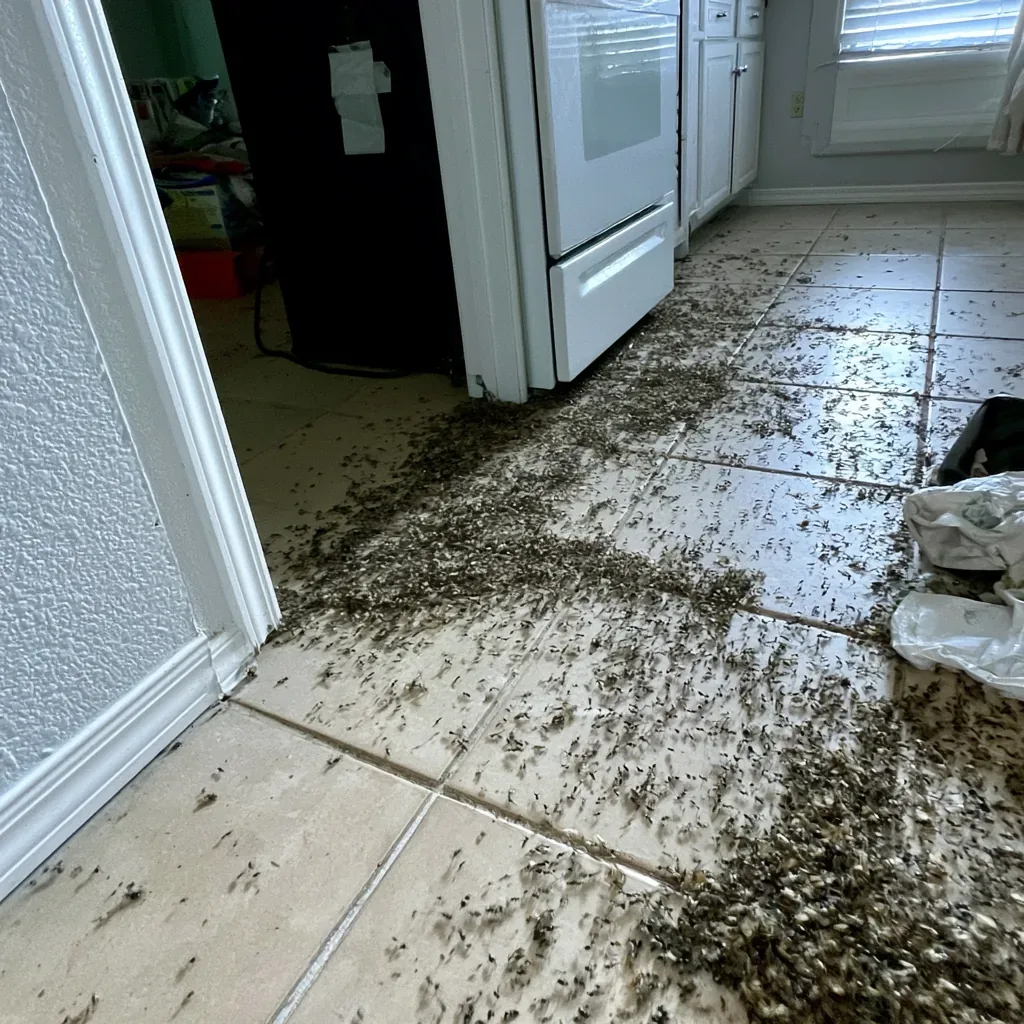
A cluster of dark, pellet-like pieces may be rodent waste, though looks alone cannot verify the source. Leave it in place and check current public-health cleanup directions before handling anything. A qualified professional can help assess what the material may be if the source remains unclear.

Near Ford Woods Park, dry pieces dot laundry-room tile.

Fresh-looking chew damage on nearby cardboard or trim can add context to a droppings finding. It suggests something may have gnawed there, but it does not prove the deposits came from a rodent. Avoid disturbing the area and note where both signs appear.

A Dearborn home by Greenfield Village has pellets under stairs.

A gathered bundle of torn material may be a separate clue that animals have been active nearby. Note whether the bundle is loose or compact without handling it. Pulling the bundle apart could scatter debris, so leave it undisturbed and mention its location when seeking advice.

Fresh pellets cluster beneath a low utility-room shelf.

Scratching heard near a room with deposits may add useful context, but sound alone cannot confirm its source. Note when it occurs without opening walls or shifting stored items. If deposits recur too, share both observations with a qualified professional.

A small scatter rests behind a rarely moved sofa.

Similar deposits appearing again after cleanup may suggest activity is continuing. Repeatedly clearing each new patch without considering the pattern can leave the concern unresolved. Note the locations and timing, then ask a qualified professional what step makes sense.

Accessible Food Can Keep Activity Going

Dearborn includes homes near the Rouge River as well as residential blocks farther away. A finding beside a river corridor still needs to be considered inside its own home. The address or nearby landscape alone cannot establish what left the material.

Ford Field Park, Ford Woods Park, and Greenfield Village help orient people around Dearborn. Their presence says nothing about deposits inside a particular house. Whether a home is a ranch or split-level, the location and extent of an indoor finding guide the next step.

Property inquiries can come from Dearborn or other parts of Wayne County, but service boundaries differ among providers. Describe the address and the areas of the building involved when speaking with the pros we connect you with.

Reducing Food and Shelter

First Clue
Dark, pellet-like pieces may be droppings, but a visual impression cannot confirm what left them.
Airborne Dust
Chewed cardboard or trim nearby adds context about possible gnawing without proving the deposit's source.
Fresh Evidence
Dry sweeping or vacuuming suspected droppings can send contaminated particles into the air.
Amount
Nearby tracks or gnaw marks may add context, but do not by themselves identify the source.
Outside Support
Sealed food storage and removal of accessible crumbs can limit food sources, but do not close openings into a home.
Property Conditions
Keeping a brief record of when new signs appear can make later discussions more specific. Judge each finding by its location and condition, and follow current public-health cleanup guidance.
MATERIALS
an estimated $80–$175

Wildlife Clues Inside the Home

Dried mud. Soil tracked in from a doorway can leave irregular crumbs or a streak, which may look like dark debris on the floor. A droppings-like shape is not proof of its source, so avoid touching uncertain material. Dried mud often appears as uneven flakes or a soil streak near a damp threshold. Suspected droppings may sit apart from tracked paths. Location can offer a clue, but neither a streak nor a pellet-like piece confirms the source. Leave uncertain material undisturbed.

What Guides a Rodent Control Plan

The pros we connect you with can assess whether the material appears consistent with rodent droppings and whether cleanup support may be needed. They can consider related clues, such as gnaw marks or nesting material. That assessment helps set the order of any cleanup and control recommendations.

After assessment, a provider can explain whether control may involve traps or baiting. A follow-up check can help determine whether the chosen control method is working. The provider should explain placement precautions for children and pets, and which devices need access during service.

Cost depends on how far activity extends and whether access gaps can be handled during the first appointment. A contained route with workable repairs may need only that visit. Signs across rooms, inaccessible openings, or devices needing review support a planned return schedule. Ask what would trigger another visit.

WHAT EACH RODENT SERVICE FORMAT ASKS OF THE HOMEOWNER
Cost Factors Follow-Up Checks
Activity still at a modest scaleFood storage advice
Indoor access resumes after serviceHousehold safety steps
Repeated indoor traces beside unsealed gapsFoundation gaps closed; traps reviewed

Review Inspection Findings Before Sealing

In Dearborn, a homeowner can photograph suspected droppings from a distance and note whether fresh material appears later. That record can help show whether signs continue without touching them. In a ranch or split-level near Ford Field Park or Greenfield Village, leave deposits behind fixed equipment or in tight spaces for qualified help.

Monitoring Traps and Bait Stations

Rodent droppings and urine may carry germs, and dry disturbance can spread contaminated particles. A household should keep the affected area from being disturbed until current public-health cleanup directions have been checked. If material is widespread or difficult to reach, a qualified professional can discuss safe handling. Take particular care where children or pets could come into contact with it.

Ask What Shapes the Service Charge

The pattern of activity can help show which areas need closer attention; ask the licensed pros we connect you with how they assess those signs.Dearborn quotes reflect inspection findings; a ranch, split-level, or property near Central Park, Church-Teller Park, or Community Park may call for different access or sealing work. The guide estimate covers discussed control steps; repairs and return checks are outside it unless added to the agreed scope. Ask which inspection observations informed the proposed control steps.Find every listed band in pricing guide. For an account of rodent-control work, continue to Rodent Inspection.
RELATED PEST NOTES

What Droppings and Gnaw Marks Suggest

Rodent Gnawing Damage

Property damage clues. Rodent control can assess gnaw marks, check accessible nearby…

Rodent Help Questions

Rodent Control Basics

What details should I note before asking for advice?

First, prevent people from walking through the area and leave the material undisturbed. Dry sweeping or vacuuming can send contaminated dust into the room. Check current public-health instructions before any cleanup. If the deposits cover a large area or sit somewhere difficult to reach, contact a qualified professional. In a Dearborn ranch or split-level, note which room you found them in so you can describe the situation when seeking help.

Can I identify suspected rodent droppings by sight alone?

A stain or unusual odor nearby can provide context, though neither proves what produced the material. Residue on the surrounding surface may also matter when describing the finding. Instead, keep the area undisturbed and follow current public-health cleanup instructions. If you are unsure what the material is, a professional can consider the finding alongside other signs. That can help the homeowner decide what to do next without relying on a visual guess.

What if droppings are behind an appliance or heavy item?

Get qualified help when a pile extends across a broad area or is tucked behind heavy equipment. Reaching into a cramped space or moving bulky items can spread material and make safe handling harder. Tell the professional where the deposits are and how accessible they seem. In Dearborn, the pros we connect you with can discuss whether a rodent inspection fits the situation and explain what their service covers.

Do recurring deposits suggest activity may be continuing?

One deposit cannot establish whether rodents remain inside. If similar material appears again after cleanup, that repeat finding may point to ongoing activity, so note where and when it returns. Do not keep disturbing each patch to check it. A homeowner can describe the pattern to a qualified professional and ask what next step fits. The finding matters at the property itself, whether it is near Ford Field Park or elsewhere in Dearborn.

Rodent Service

Not sure how far the rodent activity has spread?

Call the pros we connect you with and ask what the visit costs before reserving a time. Find out which areas the inspection covers. Ask whether anything should be moved or made accessible before the inspection.

Call (313) 944-5570
Before booking, clarify provider availability, visit timing, inspection fees, and documented tasks.
Call (313) 944-5570 Schedule Online