Availability varies — call to confirm. · (313) 944-5570
Rodent Gnawing Damage in Dearborn, MI
Property damage clues

Dearborn Checks for Early Signs of Rodent Gnawing

Cold weather can change how easily an owner checks exterior surfaces, while thawing may make some edges visible again. Compare marks during routine upkeep before assuming they are new. Seasonal visibility alone cannot show when damage occurred or whether activity continues.

SERVICE SCOPE

Rodent control can assess gnaw marks, check accessible nearby surfaces, and recommend control steps based on the findings. Keep clear of damaged wiring or loose material, and note where marks appear for the inspection. Repairs can be planned after the source of damage is addressed.

GNAWED EDGES

Small Clues of Rodent Activity

Nesting fibers in a storage space may send an owner looking for an inspection.

A split-level near Greenfield Village has a chewed joist corner

A split or scraped cable jacket may expose the inner covering or conductors. That damage can create an electrical hazard, regardless of what caused it. Do not handle the cable. Keep the area undisturbed and have the wiring assessed; the damage can also be noted during a rodent inspection.

Near Ford Field Park, a wire casing has tooth cuts

Two narrow cuts close together on wood or plastic may fit tooth contact. Their appearance changes with the surface, so the grooves alone do not establish a cause. Note the item and room for the inspection. Avoid sanding or covering the area before its condition is assessed.

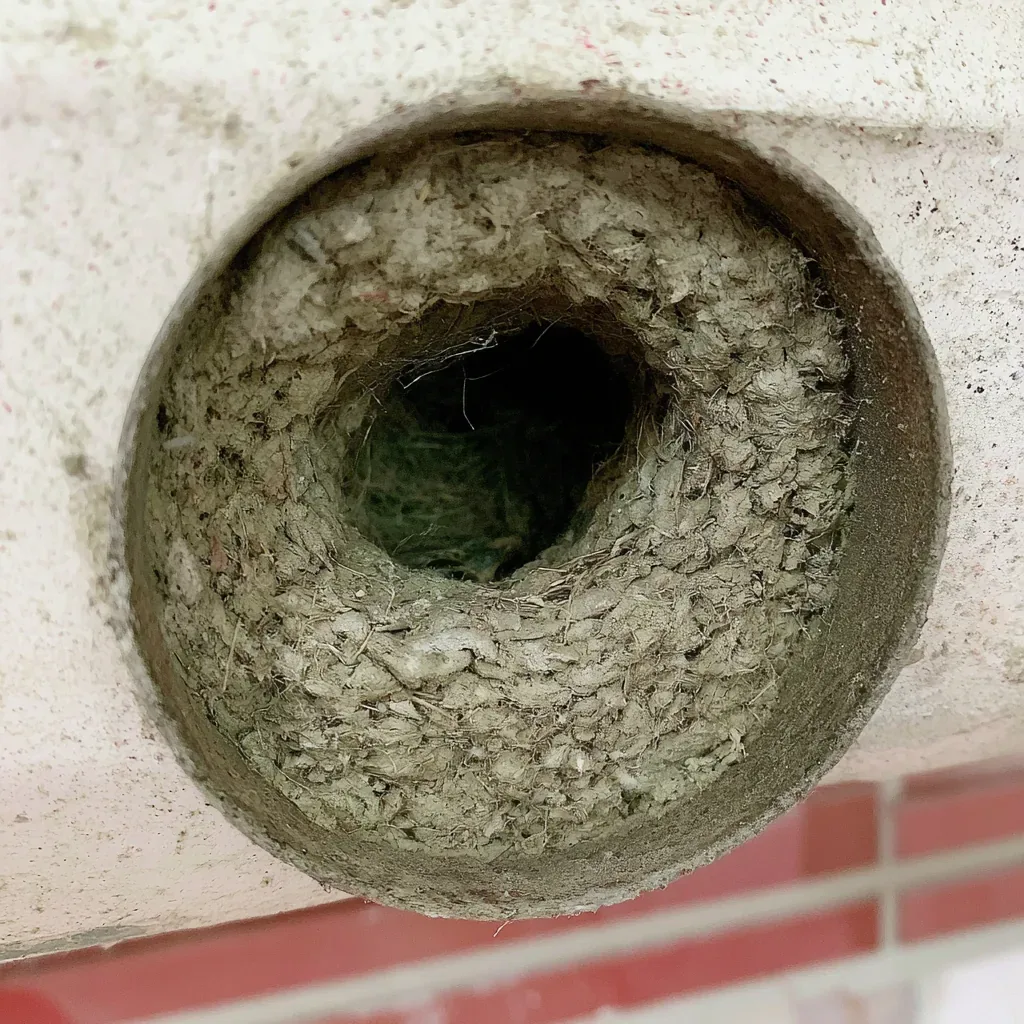
A ranch by Ford Woods Park shows a scraped PVC sleeve

A chipped rim around a pipe opening can show damage at a narrow edge. The opening may connect to a concealed space, so an inspector can assess the adjoining area without assuming what lies behind it. Do not reach into the gap; record its location for review.

A cabinet toe-kick near Ford Community has a ragged edge

Pulled or flattened insulation may be consistent with movement through a hidden space, though other causes are possible. It can conceal damaged wiring or release dust if disturbed. Leave it in place and keep clear until a professional can assess the material and surrounding area.

By the Rouge River, torn insulation exposes a darkened cavity

Several small losses of paint or wood along trim can point to repeated contact at that edge. A single chip may come from ordinary household activity. Check whether the pattern changes during routine upkeep, and note the location so an inspector can assess it before repairs cover the surface.

Small Openings Give Rodents Indoor Routes

Dearborn’s cold winters and seasonal temperature changes can affect when exterior surfaces are easy to inspect. Routine checks of accessible trim and utility areas may catch a new mark while it remains visible, giving the owner time to arrange an assessment before damage extends.

Around Ford Field Park and Ford Woods Park, Dearborn homeowners can include visible utility edges and lower trim in routine property checks. These local landmarks give context for the page; the condition of each home’s surfaces is what guides an inspection.

Property inquiries can come from Dearborn or other parts of Wayne County, but service boundaries differ among providers. Describe the address and the areas of the building involved when speaking with the pros we connect you with.

Reducing Food and Shelter

MARK PATTERN
A cut cable jacket may expose conductors. Keep clear and arrange an electrical assessment before anyone handles the damaged section.
WIRE RISK
Grooves in wood or plastic can fit tooth contact, but their appearance varies by surface. Record the location for review.
ACTIVITY TRAIL
Damage around a pipe opening draws attention to the adjoining space, which an inspector can assess for related signs.
INSPECTION SCOPE
Flattened insulation may conceal damage or release dust if moved. Leave it in place until the area can be assessed.
REPAIR PLAN
A dated image can preserve the condition of trim, helping an owner compare it during later routine checks.
Treatment Choices
Cold weather can change how easily an owner checks exterior surfaces, while thawing may make some edges visible again. Compare marks during routine upkeep before assuming they are new. Seasonal visibility alone cannot show when damage occurred or whether activity continues.
WORK INCLUDED
an estimated $80–$175

Wildlife Clues Inside the Home

Furniture scuffs can leave broad, smooth patches on trim. Gnawing may remove material in smaller, irregular cuts, so the shape and edge can help an inspector assess what caused the damage. Compare the mark’s width and edge: a broad, smooth worn patch follows repeated rubbing, while chewing can leave small cuts or missing material. Look at the full surface during routine checks. An inspection can assess the pattern if the cause remains unclear.

How a Rodent Service Takes Shape

The pros we connect you with can examine the marked surfaces and assess the material and extent of visible damage. They may document the affected locations and review accessible nearby areas. This helps distinguish a surface repair concern from damage that needs further assessment before work begins.

After assessing the marks, the pros we connect you with can explain control options suited to the site. These may include trapping or baiting, with exclusion where findings support it. The owner can plan repairs to damaged surfaces after activity and access concerns have been addressed.

The cost turns on whether inspection finds a source that can be addressed without later device care. If the evidence is limited and control steps are complete, the owner can ask whether service ends there. Continued signs or stations requiring checks call for an agreed follow-up plan.

HOW SERVICE OPTIONS SHAPE THE NEXT CONTROL DECISION
Food Storage Property Conditions
A minor concern at first signsSafe droppings cleanup
New activity follows completed treatmentSealed food storage
More than one access seam with fresh signsUtility access blocked; control gear inspected

Review Inspection Findings Before Sealing

During routine upkeep, check visible trim, cabinet edges, and pipe openings without reaching behind panels or into cavities. Leave loose debris and damaged cables undisturbed. Note which rooms have marks so an inspection can focus on those surfaces. If wiring is exposed, keep clear and contact an electrician.

Monitoring Traps and Bait Stations

Chewed cable jackets may leave wiring exposed, so treat the spot as an electrical hazard and keep hands off. Avoid disturbing suspected nesting material while the affected area is being assessed. Keep children and pets back from both hazards. For a Dearborn home near Greenfield Village, share the marked locations with the pros we connect you with so the inspection can account for each affected area.

Understand Rodent Service Pricing

A ranch and a split-level may need different rodent work; ask the pros we connect you with to estimate an approach for the property.Dearborn quotes reflect inspection findings; a ranch, split-level, or property near Central Park, Church-Teller Park, or Community Park may call for different access or sealing work. The guide estimate covers discussed control steps; repairs and return checks are outside it unless added to the agreed scope. Ask which inspection observations informed the proposed control steps.Find every listed band in pricing guide. For an account of rodent-control work, continue to Rodent Inspection.
RODENT ARTICLES

Food Storage for Rodent Prevention

Rodent Droppings

Dropping Safety Steps. Treat unexplained dark pellets indoors as possible rodent…

Rodent Help Questions

Rodent Control Basics

What should I check when I first notice gnaw marks?

Inspection cost depends on how many surfaces need review and whether the damaged areas are easy to reach. A homeowner can look at visible trim, cabinet edges, and utility openings during routine upkeep. Fresh, lighter material or a new cut may signal a change worth recording. The pros we connect you with can assess the marks and nearby accessible areas, then explain what control steps fit the findings. Keep away from damaged cables or loose material.

What should I do about a gnawed electrical cable?

Yes. Chewing can split a cable’s outer insulation and expose its conductors. Do not touch the cable or shift items around it. Keep the area undisturbed and arrange an electrical assessment; an inspection can also document the damage as part of checking for rodent activity. In Dearborn, a homeowner near Ford Community should treat a damaged cable the same way as one elsewhere: stay clear and leave the electrical work to a qualified professional.

Why address gnawing damage before it gets larger?

Continued gnawing can remove more material and make later repairs larger. Damage behind a finished surface may also be harder to see during ordinary checks. An inspection can help assess whether the marks fit rodent activity and what areas need attention. The owner can then plan repairs after the source of damage has been addressed. Keep clear of exposed wiring or loose material while that assessment is pending.

What can an inspection assess around gnawed surfaces?

The pros we connect you with can photograph each mark and note its material, height, and nearby surfaces. That record helps an inspection focus on whether cable covers, trim, or building materials show repeated damage. Findings can guide checks for rodent travel and nearby access, then help determine whether trapping, baiting, or repairs fit. Keep clear of damaged wiring and unsafe debris. Note whether the marks look recent or old before the inspection.

Rodent Service

Not sure how far the rodent activity has spread?

On the phone, ask the pros we connect you with whether the inspection has a fee, then decide whether to schedule. Ask how they will examine the property. Have them put their observations and recommended work in a written summary for the owner.

Call (313) 944-5570
Before booking, clarify provider availability, visit timing, inspection fees, and documented tasks.
Call (313) 944-5570 Schedule Online