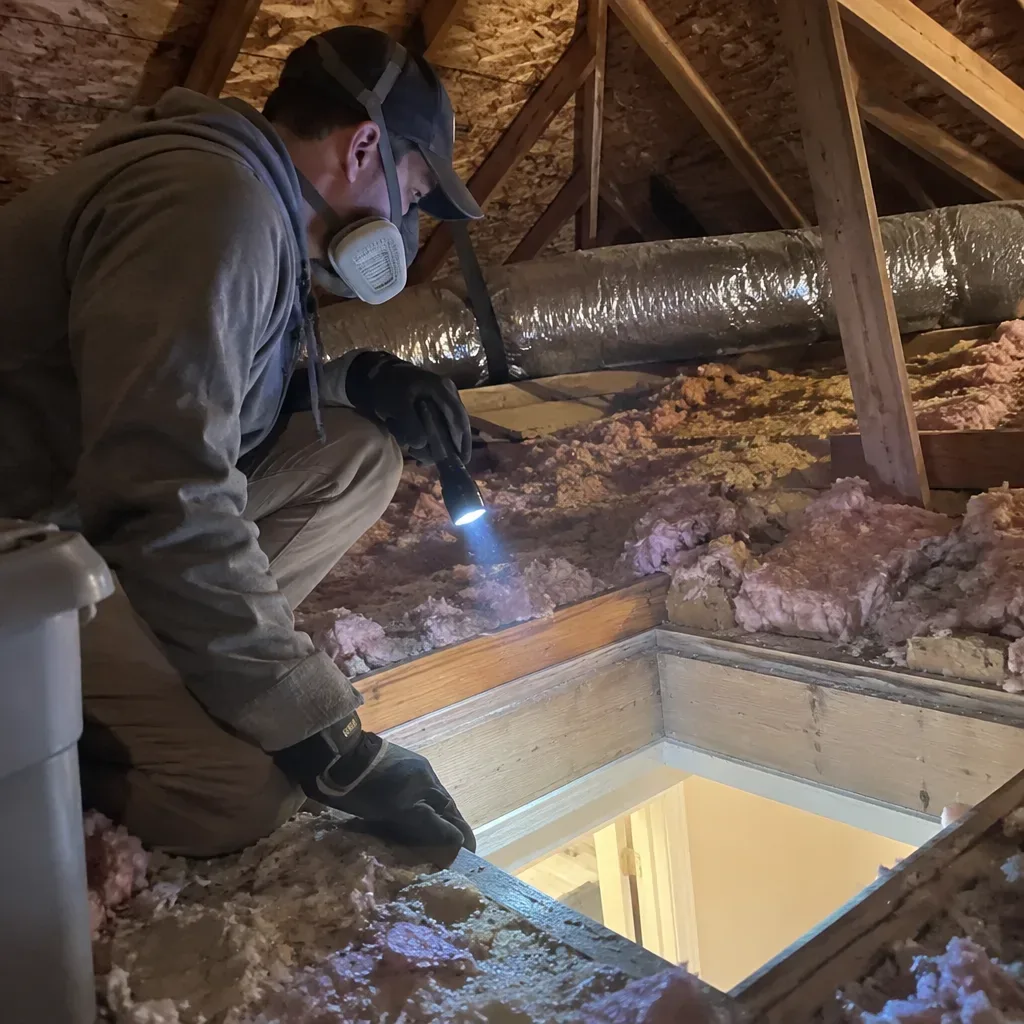
How Many Mice?
One mouse cannot settle whether a home has a mouse infestation. Learn how droppings, noises, food access, and hidden shelter can shape the next step in Dearborn.
Read article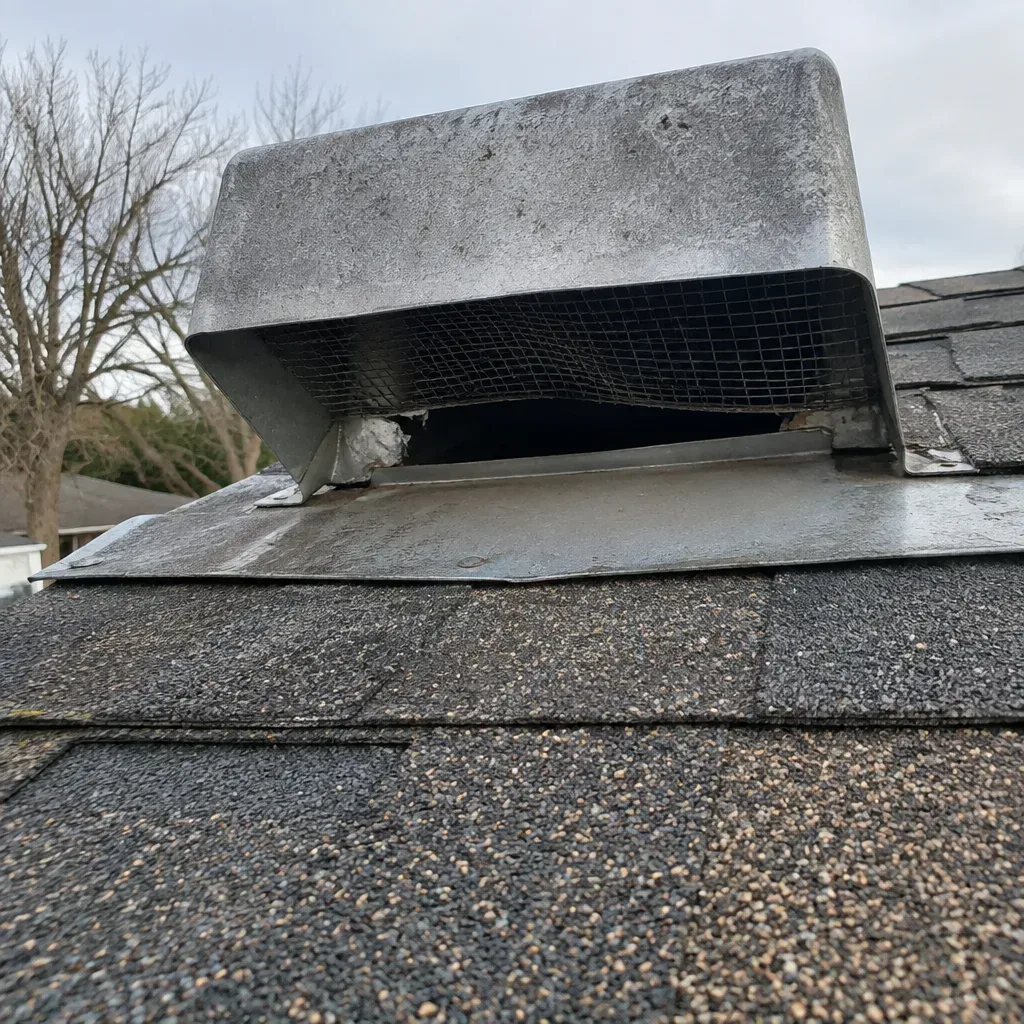
Dearborn trap plans follow rodent signs, from Ford Field Park to Ford Woods Park.
In Dearborn, rodent signs can show up in a ranch, a split-level, or a home on a subdivision lot. Droppings, gnaw marks, nesting material, or faint movement sounds each give a different clue, but none confirms where a rodent entered. A homeowner can note the room and exact spot, then share that record when asking about service. Local references such as Community Park, Teller Park, or Reeck Drain can help identify the area without assuming nearby houses have the same conditions.
The cost and length of a Dearborn trapping visit depend on the rooms involved, device count, access, and return checks. The pro first compares the reported signs with places a trap can sit without blocking household routines. In winter, snow or frozen ground may make an exterior check harder, so the owner can mention access limits before scheduling. A trap plan can fail when devices are hidden behind stored items or cannot be reached later. Ask how catches and disturbed traps will be reported.
Homes near Reeck Drain can differ in layout and access. Rodent Trapping recommendations for Dearborn and Dearborn Heights, Melvindale and Allen Park reflect what an inspection finds at each address.
The residential page at residential rodent control addresses a homeowner's household, while commercial rodent control discusses service for properties under rental or business oversight.
Droppings in a cupboard, basement, or along a baseboard can mark places a rodent has passed. Their location helps a pro understand which areas may need closer attention, while the sign alone does not confirm an entry route. In Dearborn, the owner can record where each cluster appears and whether it returns after cleanup. A musky odor can also signal rodent activity when droppings are not easy to see.
Fresh gnaw marks on a household surface can indicate repeated rodent contact with that spot. The damage may help a pro distinguish an active area from an old mark, especially when the owner can describe when it first appeared. In Dearborn, note the object and room rather than moving nearby belongings before the visit. That keeps the evidence easier to assess and can help direct attention to the affected area.
A rustle or scratching sound behind a ceiling or wall can make one room seem active, though sound may travel through the house. Note when it occurs and which area seems closest. In Dearborn homes, that account can help a pro compare the sound with visible signs during a visit. The noise by itself does not establish where a rodent is moving, so a trap location should follow the full assessment.
The pro maps reported signs to rooms and notes household access limits, so the proposed trapping area fits the property.
The pro identifies accessible device locations and confirms they can remain undisturbed between checks.
The owner and pro agree how to identify a catch or moved trap and who to contact about it.
At follow-up, the pro records each device's condition and uses those findings to discuss any plan changes.
Dearborn houses vary in layout and access, even within established residential areas. A ranch may offer a different route through rooms than a split-level, while stored belongings can limit where a trap can be checked. References such as Community Park, Teller Park, and Reeck Drain can help describe the service area, but the property itself determines the plan. Trapping works best when each device remains reachable for follow-up.
Before traps are set, the owner and pro should agree on which rooms are accessible and where devices may remain. A written or verbal location list can prevent a trap from being forgotten during daily use. In Dearborn, the owner should mention rooms used for storage or work and any areas that remain locked. Ask how the provider will identify each device and explain what to do if it is disturbed.
A trapping plan needs return access, since a device cannot be assessed if nobody can reach it. Tell the pro about household schedules, locked rooms, or areas that may be rearranged before a check. For a Dearborn property, agree on who will inspect each trap and how findings will be recorded. Follow-up timing varies by service plan; the provider can explain what a catch, an unchanged trap, or a moved device means for next steps.
Dearborn Rodent Trapping estimates do not settle the final scope; ask the pros we connect you with to confirm the visit fee and record included work.
| Rodent Activity | Included Work | Cost Estimate |
|---|---|---|
| Early Activity | Teller Park context: inspect reported rodent clues and discuss access; no traps, bait, gap work, or monitoring. | an estimated $350–$475 |
| Established Activity | Review activity, apply agreed trapping or baiting, and close selected gaps; follow-up visits not included. | an estimated $400–$620 |
| Extensive Activity | Near Teller Park context: inspection, agreed control devices, and return activity checks; no access sealing. | an estimated $350–$475 |
| Concealed Access | Inspect signs and routes, use agreed traps or bait, seal openings, and monitor when included. | an estimated $840–$1,900 |
The work scope matters alongside home size. Device placement, activity reviews, and closing access routes each call for different tasks. If the proposal specifies durable sealing materials, they may shift the total. The full pricing guide covers factors behind the estimate.
Trapping may suit a home when signs point to current rat or mouse activity and a pro finds workable places for devices. It can also help when the owner wants catches documented during follow-up. The pro should explain what the traps can address and what would call for another control step. A Dearborn homeowner can share the suspected rodent, sign locations, and access concerns when requesting a connection.
Each trap should remain stable, visible to the person checking it, and clear of routine household movement. The pro can explain what the device is intended to catch and how to recognize a shift or disturbance. In a Dearborn home, stored items or a room used for work may affect whether a proposed spot stays accessible. Ask the pro to identify each location before setup.
A check can record whether a trap has a catch, remains unchanged, or has been moved. That record helps the pro decide whether the current plan still fits the signs at the home. The service provider sets the return schedule and can explain how to report a disturbed device between visits. In Dearborn, make sure the agreed rooms will be accessible when the check is due.
Ask the pro to identify each trap and explain how it is secured before the service begins. The owner can point out areas used by children, pets, or visitors so placement fits the household. Keep those household members away from devices as directed. A Dearborn owner should also ask how a trap can be reached for checking without leaving it exposed to routine traffic.
Note which device has a catch and contact the provider for removal instructions. Avoid disturbing other traps, since they may still be part of the monitoring plan. The provider can explain collection and cleanup steps for the specific device and site. In Dearborn, record the location and time you noticed the catch so the next check can account for it.
Trapping addresses activity where devices are used, while an inspection may also identify openings that need attention. Depending on findings, a provider may discuss exclusion or continued monitoring alongside traps. Those steps are separate from the catch record and depend on the property. A Dearborn homeowner can ask what evidence would lead the pro to recommend another measure or another visit.
A clear description of the issue helps the licensed pros we connect you with understand what needs attention. The pros we connect you with review the findings and confirm the amount.
Traps and bait address activity; sealing openings limits access, and inspection findings inform which steps fit.
One mouse cannot settle whether a home has a mouse infestation. Learn how droppings, noises, food access, and hidden shelter can shape the next step in Dearborn.
Read article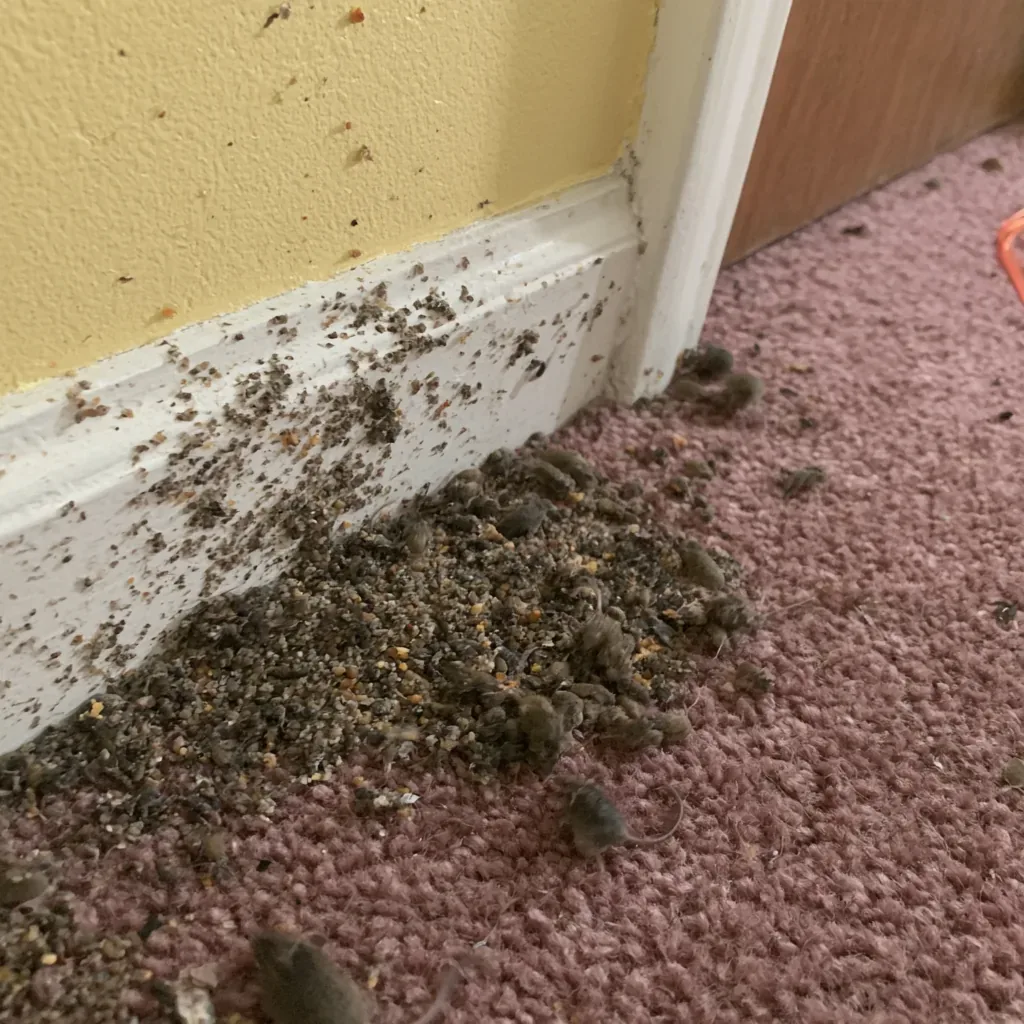
A brief glimpse may leave questions, so note visible features and nearby signs without approaching. Learn what to record when a brief Dearborn sighting leaves questions.
Read article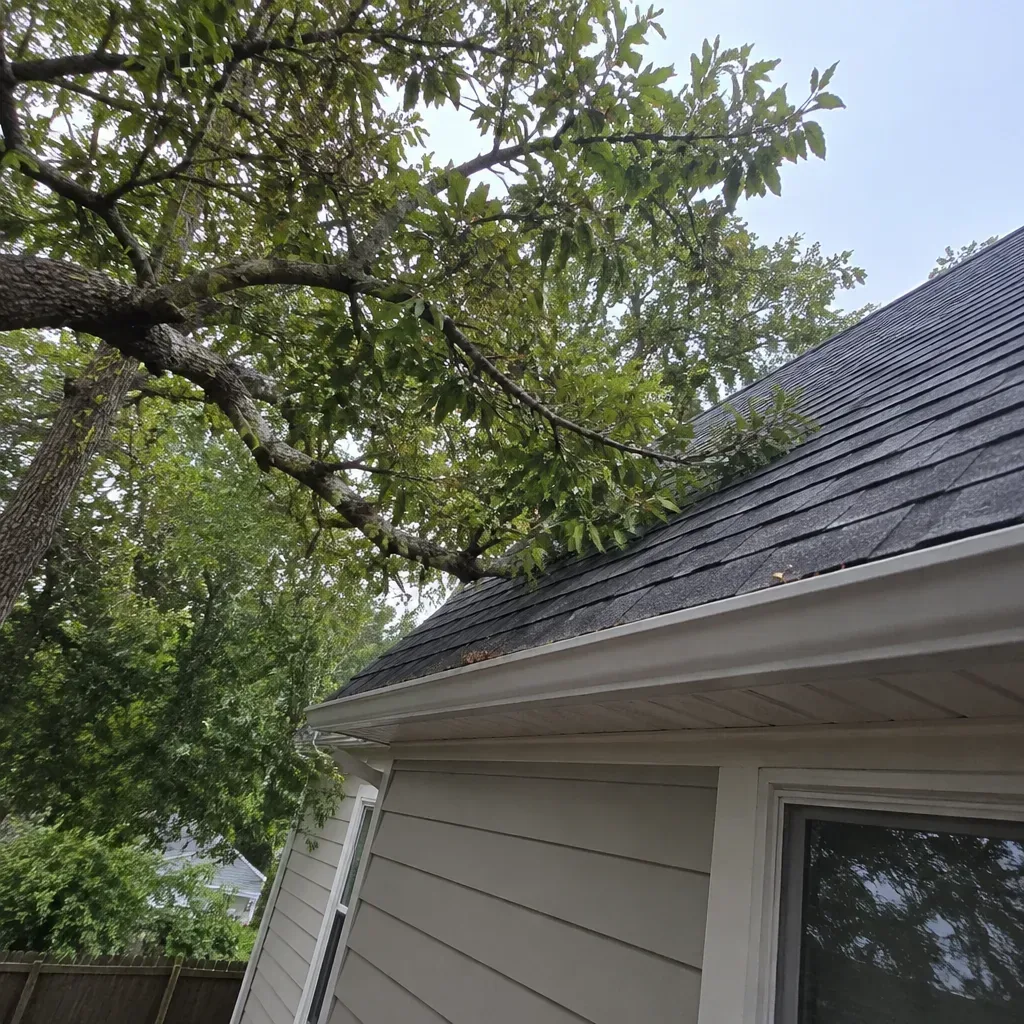
Fall is a practical time to assess shed activity in Dearborn. Learn how signs, stored supplies, and follow-up checks can guide the next step.
Read articleCost questions are easier to answer when the address is precise. Use the full street address for a Dearborn home near Community Park. A postal ZIP alone may not identify the municipality clearly. Ask whether travel or an inspection carries a charge before setting a visit. Check what timing is available, what the written scope will record, and whether any warranty is offered. Share access details that could affect reaching the area with signs. What should the owner have ready before calling?
Call (313) 944-5570